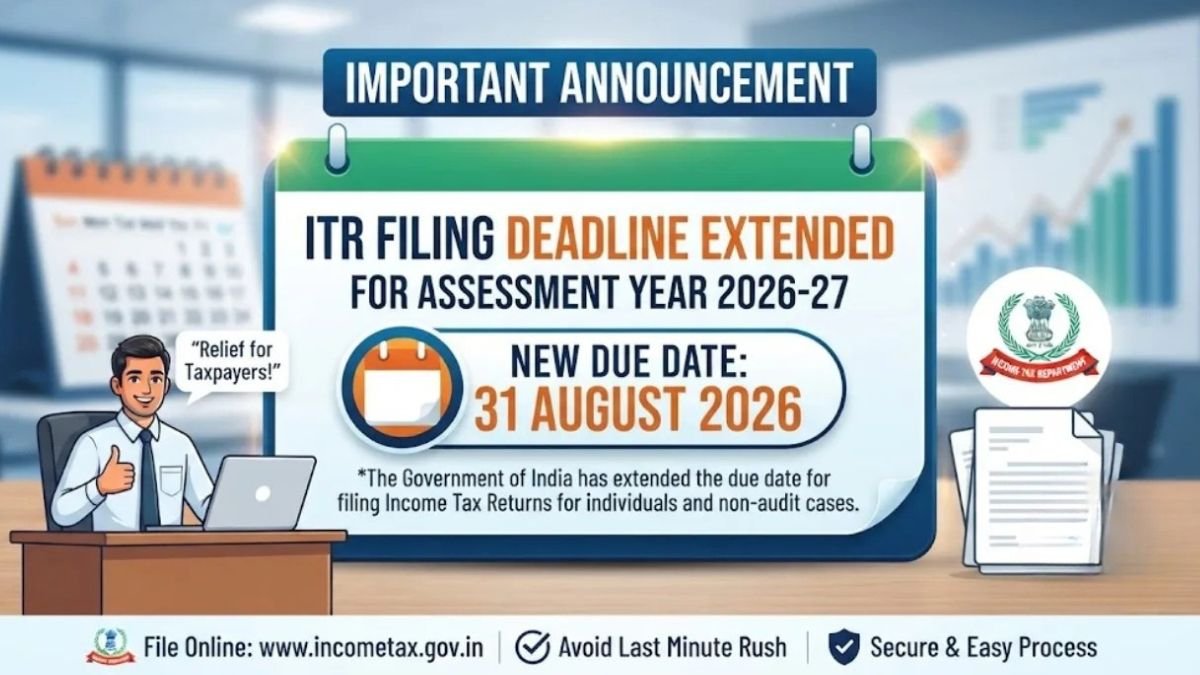
ITR Filing Deadline Extended: One of the major financial obligations for taxpayers in India is filing an Income Tax Return (ITR) on time. In the final stretch of the filing season, the government has extended the deadline for filing returns for a specific category of taxpayers till August 31, 2026, providing them relief.
The extension provides additional time for some taxpayers but not all. Those with other types of taxes (such as salaried) must still adhere to the original deadline. To avoid any unnecessary penalties and to smooth the filing process, it is important for taxpayers to be aware of who is eligible for the extension, which ITR forms apply, and the consequences of missing it.

ITR Filing Deadline Extended
| Particulars | Details |
|---|---|
| Topic | ITR Filing Deadline 2026 |
| Extended Deadline | August 31, 2026 (Eligible Taxpayers Only) |
| Deadline for Salaried Taxpayers | July 31, 2026 |
| Eligible Taxpayers for Extension | Business and professional taxpayers filing ITR-3 and ITR-4 (Non-audit cases), and certain trusts |
| Belated Return Deadline | December 31, 2026 |
| Late Fee (Income Above ₹5 Lakh) | Up to ₹5,000 |
| Late Fee (Income Up to ₹5 Lakh) | ₹1,000 |
| E-Verification Methods | Aadhaar OTP, Net Banking, Demat Account, Digital Signature |
| Important Note | Failure to complete e-verification may render the ITR invalid. |
Government Extends Deadline for Selected Taxpayers

The government has announced a new deadline of August 31, 2026, for those who earn income from business or profession and are not subject to tax audit to file their ITRs. The fresh deadline is also valid for the eligible taxpayers who have filed ITR-3 and ITR-4 in addition to some trusts as per the fresh notification.
The extension has been added to give extra time for taxpayers who require more time to finish financial records as well as supporting paperwork, including business income calculations. It should help to alleviate the last-minute rush to file returns and promote more accurate filings.

Salaried Taxpayers Must Still Meet the July 31 Deadline
No extension of the deadline for salaried people who file returns on ITR-1 and ITR-2. To ensure compliance and avoid penalties, these taxpayers will have until July 31, 2026, to file their Income Tax Returns.
In case a person fails to file his/her return on time, it can be filed after the due date, but within the prescribed period. Note, however, that filing late may lead to extra fees and may also cause a delay in the processing of refunds and other tax benefits.
Choosing the Correct ITR Form Is Essential
It is an important step in filing Income Tax Returns to fill the right form. Each form is a specific tax form for a particular group of taxpayers depending on the source of income, profession, and financial transactions during the financial year.
If the wrong ITR form is used, it could result in the return being deemed defective, and the details will have to be corrected and then submitted again. This can lead to processing taking longer and complicate tax assessment unnecessarily.
Missing the Deadline Can Lead to Penalties
If they do not file their return by the due date, taxpayers may need to file a late return by the last date allowed. Late filing does, however, bring extra financial penalties, though, and in some instances, interest on the outstanding tax debt.
Individuals with an annual income exceeding ₹5 lakh may have to pay a late filing fee of up to ₹5,000. Depending on their eligibility and filing status, taxpayers with an income of less than ₹5 lakh may be liable to pay a lesser amount of late fee of ₹1,000.
E-Verification Is an Important Final Step
An Income Tax Return is not enough to file an income tax return. The tax payers are also required to go through the e-verification process using the prescribed method, which includes Aadhaar OTP, net banking, digital signature, or any other verified mode available. In the absence of e-verification, the Income Tax Return may be deemed to be invalid if not submitted within the stipulated time.
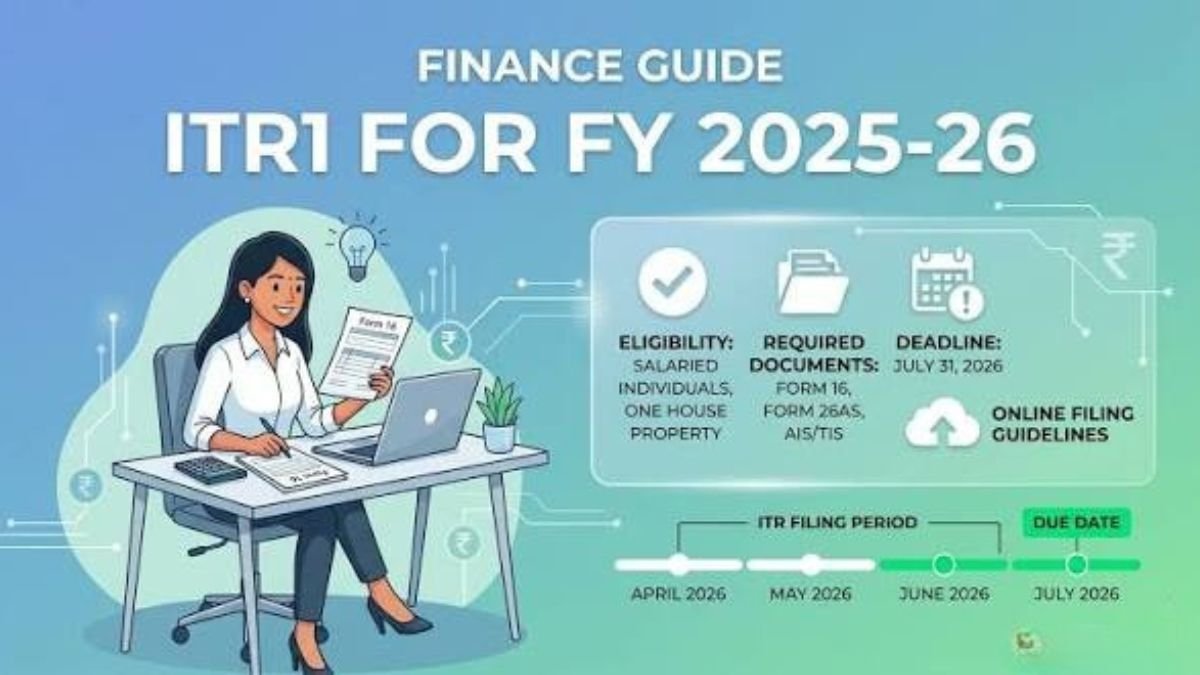
It is a welcome relief for business taxpayers who are eligible for losses as well as some trusts, as the government has extended the tax filing deadline for ITR till 31st August 2026. It offers extra time to ensure financial documents are accurately prepared and filed, without last-minute stress.
Meanwhile, taxpayers who are paid should keep in mind that their filing deadline hasn’t changed. Ensuring timely filing of the correct ITR (Income Tax Return) form, filing the e-verification, and submitting the returns on time is crucial to prevent penalties and to facilitate smooth tax compliance.
Disclaimer: This article is for general information only and is based on the latest publicly available data on ITR Filing 2026. Official notifications may change the rules and filing dates for taxes. It is important for taxpayers to keep in mind the updates on the official portal of the Income Tax Department or speak to a professional tax advisor before taking any steps towards filing.
Also read:
UPSSSC Excise Constable Result 2026 Released Direct Link at upsssc.gov.in, Check Cut-Off List
HUL Q1 Results 2026: Net Profit Falls 4% to Rs 2,631 Crore Amid Rising Raw Material Costs